How to Develop a Signature Cocktail for a Brand
In the world of branding, creativity and uniqueness can set a company apart from its competitors. One intriguing and effective method to achieve this is by developing a signature cocktail. A well-crafted cocktail not only becomes synonymous with your brand but also serves as an enticing gateway to engage your audience on a sensory level. In this blog post, we’ll explore the steps involved in creating a drink that embodies the essence of your brand, from selecting the base spirit to ensuring it makes a visual statement. Whether you’re a hospitality brand looking to leave an impression or a business hosting an event, a signature cocktail can serve as a memorable branding tool. Let’s dive into the creative process!
Step 1: Choose your base spirit
The base spirit is the foundation upon which your signature cocktail is built. It’s essential to select a base spirit that aligns with your brand’s identity and the message you wish to convey. For instance, if your brand emphasizes elegance and sophistication, a fine gin or a premium vodka might be the perfect choice. On the other hand, if your brand has a rustic or adventurous feel, a robust bourbon or an aged rum could be more fitting.
Consider the demographic of your target audience when selecting the spirit. Are they connoisseurs who appreciate the complexities of aged whiskey, or do they lean towards the light, refreshing qualities of a high-quality tequila? Understanding your audience’s preferences can guide you in making a selection that will resonate and reflect your brand’s persona.
Step 2: Use an existing cocktail as a template
Borrowing from the classics is a smart way to ensure your cocktail will have a balanced flavor profile and broad appeal. Look to classic cocktail recipes for inspiration, such as those found in the Old Fashioned, the Margarita, or the Negroni. These cocktails have stood the test of time due to their perfect balance of ingredients.
Once you’ve selected a classic cocktail as your template, start experimenting with various components that reflect your brand’s uniqueness. This could mean adding a distinctive herbal infusion, a unique fruit juice, or even a custom syrup that complements your base spirit. The goal is to create a drink that feels familiar yet novel, achieving a harmonious balance between the classic and the contemporary.
Step 3: Make it work
Creating a cohesive flavor profile is crucial. Experiment with different ingredient combinations to ensure that all elements of the cocktail work well together, from the initial aroma to the aftertaste. Don’t hesitate to adjust the proportions of each ingredient; sometimes, a slight tweak can transform a good cocktail into a great one.
It’s also important to consider the practicality of your creation. Will the cocktail be prepared frequently? If so, simplicity may be key. Ensure that the ingredients are readily available and that the preparation allows for efficiency during service. Tools, preparation time, and ease of replication all factor into making a cocktail that is not only delightful but also practical for regular serving.
Step 4: Make it look good
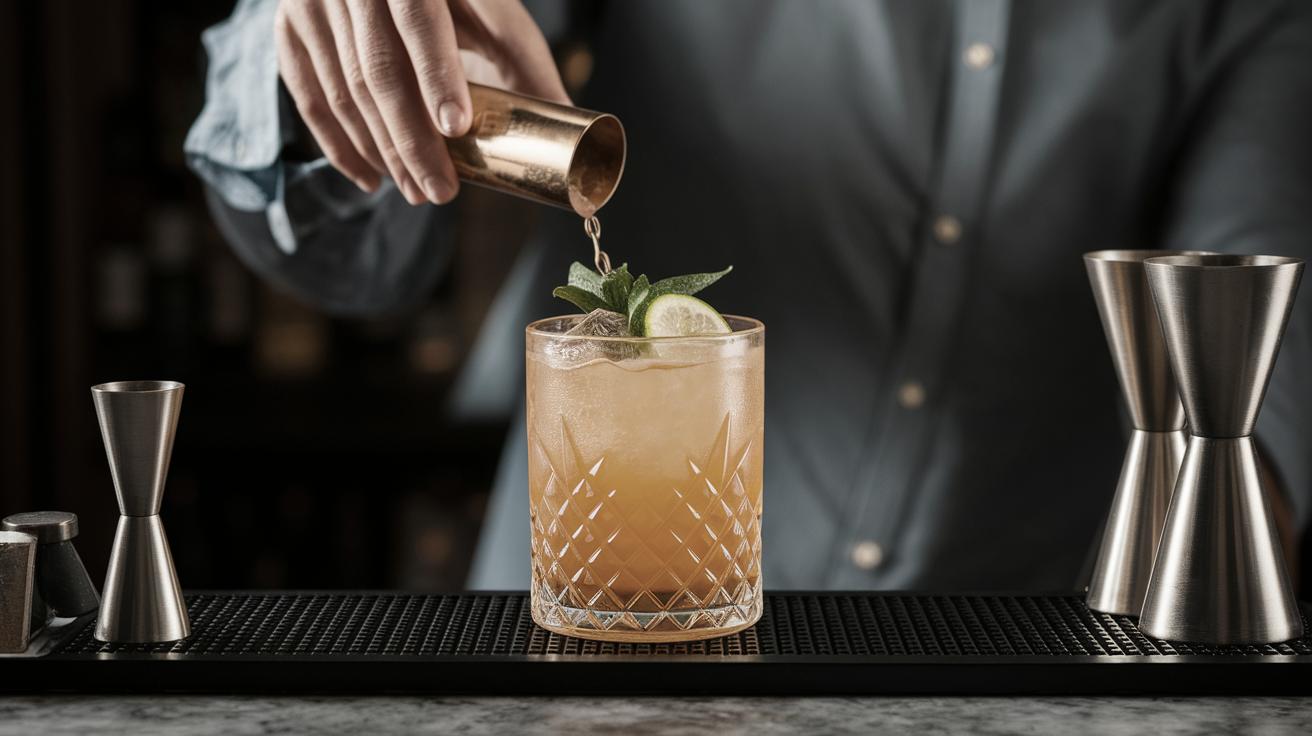
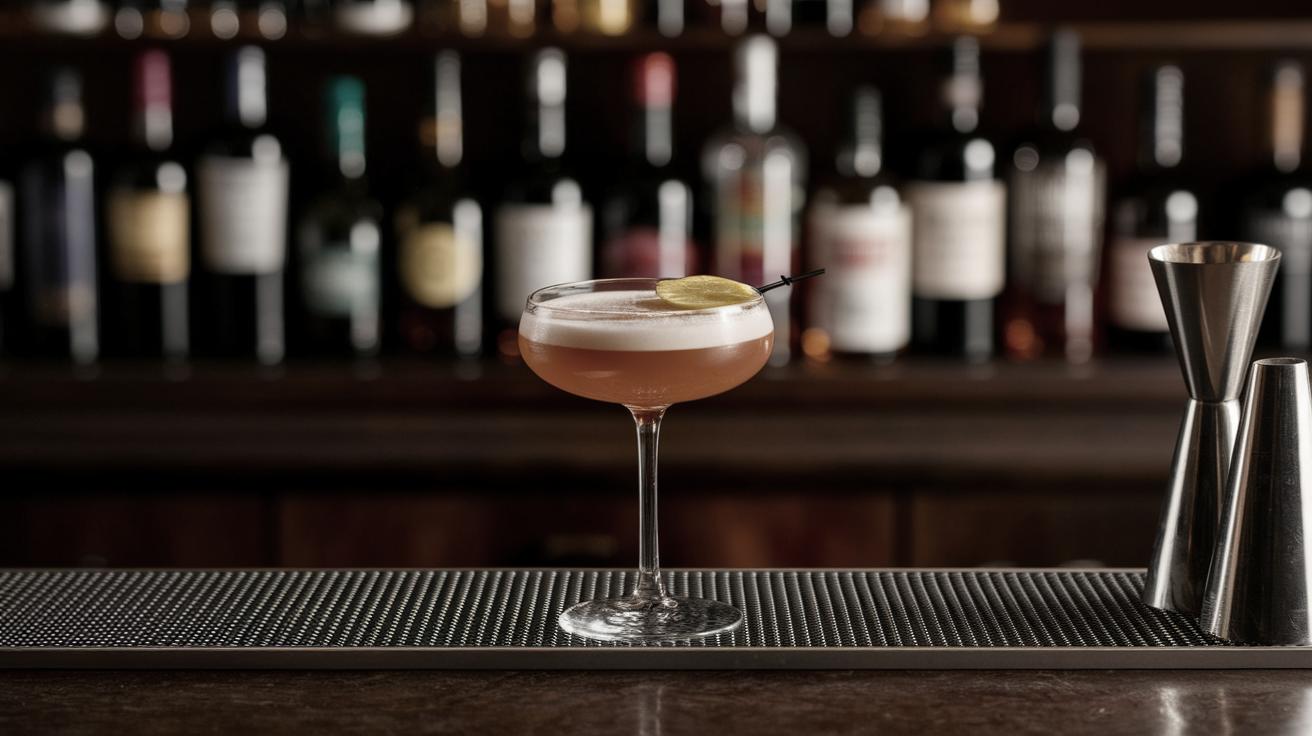
A signature cocktail should be as visually appealing as it is delicious. Consider the glassware carefully, as it is an extension of your brand’s aesthetic. Use garnishes to add a pop of color or to hint at the cocktail’s flavors—a twist of lemon, a sprig of rosemary, or a few berries can make all the difference.
Beyond glassware and garnishes, think about how other elements can add to the overall experience. Ice, for example, isn’t just functional, it can be a visual element. Consider clear, shard-like ice for a modern touch or round ice balls for an elegant flair. These details, while subtle, contribute to a memorable cocktail that encapsulates your brand’s vibe.
Extra Credit Tips:
Engage your senses beyond taste and sight to create a cocktail that narrates a story. Incorporate aromatic elements like a mist of essential oils or a flaming peel to add complexity and intrigue. These sensory layers can make each sip a fuller, multi-dimensional experience.
Additionally, give thought to naming your cocktail. A well-chosen name can evoke curiosity, reflect the key ingredients, or connect to an aspect of your brand’s narrative. The name is not just a label—it’s an extension of your brand identity, so ensure it’s memorable and meaningful.
Final Thoughts
| Step | Description |
|---|---|
| Choose your base spirit | Select a spirit that aligns with your brand, considering audience preference and brand message. |
| Use an existing cocktail as a template | Incorporate classic cocktail structures with unique tweaks to create balance between familiarity and novelty. |
| Make it work | Ensure cohesiveness in flavor and practicality for frequent preparation. |
| Make it look good | Focus on presentation through glassware, garnishes, and ice to enhance visual appeal. |
| Extra Credit Tips | Engage multiple senses and choose an impactful name to resonate with the brand identity. |