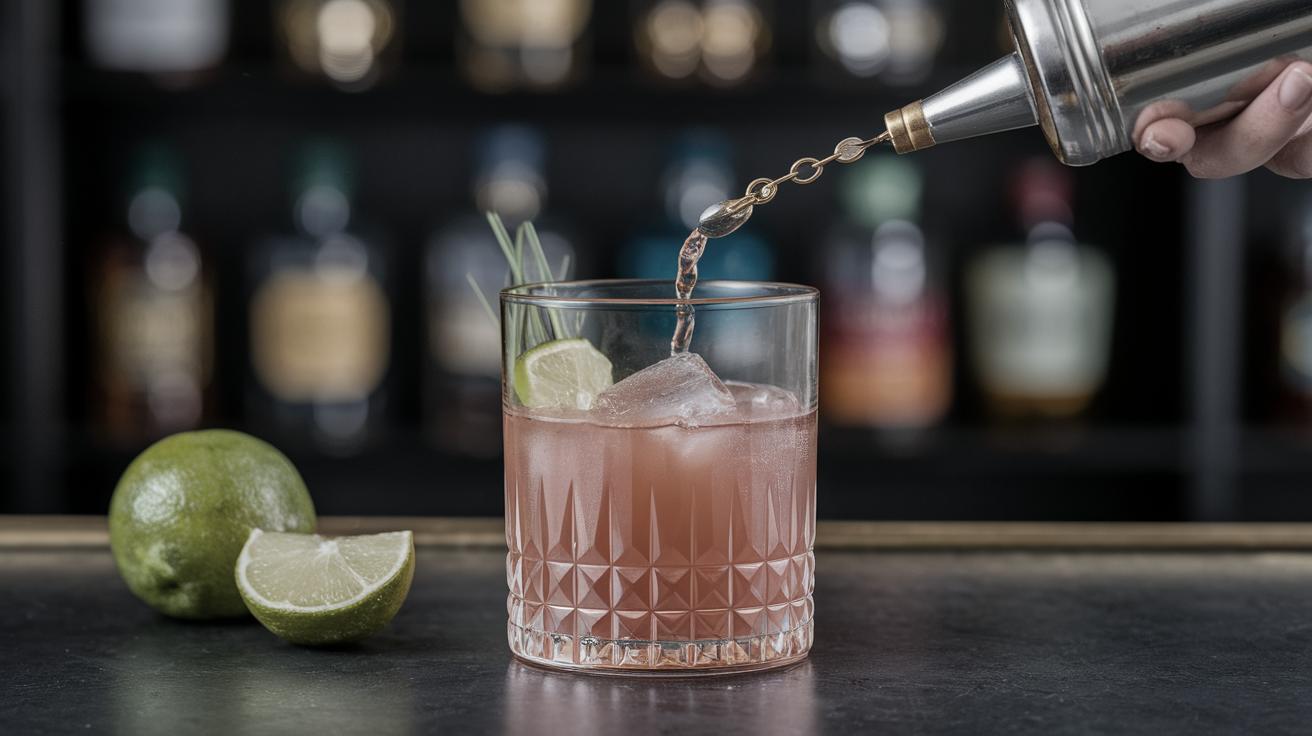
The Essentials of Apéritif and Digestif Cocktails
In the world of dining and mixology, apéritif and digestif cocktails play a crucial role in elevating the culinary experience. Whether it’s the purpose of whetting the appetite, as in the case of apéritifs, or aiding digestion, with digestifs, these beverages have a storied past and a vibrant present. This article delves into the essentials of apéritifs and digestifs, exploring their histories, variations, and the distinct roles they play in dining. We will uncover the enchanting world of these drinks, examining popular types, specific cocktails, and notable examples like Haus apéritifs. Join us in exploring these beloved traditions and understanding why the debate over them may be unwarranted.
What Is an Apéritif?
An apéritif is traditionally consumed before a meal to stimulate the appetite and prepare the palate for the culinary journey ahead. The concept of the apéritif transcends merely quenching thirst; it is an invitation to unwind and engage in the camaraderie of the dining experience. Typically on the lighter side, apéritifs are known for their refreshing qualities, often marked by flavors that are dry, bitter, or mildly aromatic, making them perfect precursors to a meal.
The purpose of an apéritif is not just functional but cultural and social. It provides a ritualistic opening to a meal, creating an environment that encourages interaction and anticipation of the meal ahead. Apéritifs can range from simple and classic to creative and contemporary, catering to a wide array of preferences and occasions.
The History of the Apéritif
The history of the apéritif dates back to ancient civilizations where meals were often preceded by herbal concoctions meant to invigorate appetite. However, the modern notion of the apéritif emerged in 18th century France, where it became increasingly popular among the elite. This was a time when the balance of flavors and the art of crafting beverages became a celebrated affair.
Over the centuries, the apéritif has evolved, influenced by the cultural exchanges across Europe and eventually the world. Its history is intertwined with the rise of the café culture and the development of cocktails, cementing its place as a sophisticated start to a meal. Nowadays, the apéritif culture is a cherished tradition in many European countries and continues to inspire contemporary drinkers globally.
The Different Types of Apéritifs
Wine-Based Apéritifs
Wine-based apéritifs are a classic choice, often leveraging fortified wines such as vermouth, Lillet, or Dubonnet. These beverages are typically enjoyed chilled and can be served solo or as part of a cocktail. Their complex flavor profiles, combining both sweetness and bitterness, make them an enticingly nuanced precursor to the meal.
Sparkling wines, like Champagne, Cava, or Prosecco, also serve as popular apéritifs. Their effervescence and light body make them ideal for whetting the appetite while offering a luxurious touch to any occasion.
Spirit-Based Apéritifs
Spirit-based apéritifs cover a wide spectrum, from the famous Italian Amaro to the delicately herbal gin. These spirits can be combined with other mixers to create vibrant cocktails or enjoyed neat. The broad diversity in this category means that there’s an apéritif for every palate—whether one prefers dry, herbal, fruity, or bitter notes.
Aperol is a popular example, known for its bright orange hue and slightly sweet, bitter taste. It’s commonly mixed with soda, prosecco, or served over ice with a slice of orange.
Apéritif Cocktails
Apéritif cocktails include a range of offerings, from the classic Negroni, which pairs gin, vermouth, and Campari, to simpler concoctions like a Lillet Blanc with tonic. Each cocktail intends to refresh and prime the senses, using key ingredients and garnishes that align with the tradition of starting meals with a poised sense of anticipation.
The development of apéritif cocktails has been propelled by creative bartenders who experiment with flavors, further expanding the ways in which diners engage with these pre-meal drinks. Garnishes such as citrus peels and herbs often enhance the experience by adding additional layers of aroma and flavor.
What Is a Digestif?
Digestifs capitalize on the idea of aiding digestion after a meal. These beverages are typically stronger and richer, designed to settle the stomach and often taken to close a dining experience. Unlike apéritifs, digestifs usually contain sweeter, more robust notes, which complement the lingering flavors from the meal.
Commonly, digestifs are served straight or with minimal dilution, emphasizing their complex palate of flavors. These drinks can either be an unassuming finish to a meal or stand as a final indulgence when paired with desserts or cheeses.
The History of Digestifs
The tradition of digestifs likely originated from the herbal tantatives used in ancient medicine to aid digestion. Distilled spirits later took this role, and during the Renaissance, the European elite made a habit of enjoying distilled herbal liqueurs post-meal.
Like apéritifs, digestifs have over time become associated with convivial cultural customs as well as refinement and taste. In various countries, certain liquors have emerged as national digestives, such as France’s Cognac or Italy’s Limoncello.
The Different Types of Digestifs
Fortified Wines
Fortified wines such as Port, Sherry, and Madeira are celebrated as timeless digestifs. Their sweeter, fuller-bodied notes make them an excellent complement to post-dinner conversations. These wines are enriched with additional alcohol that enhances their complexity and often boasts nutty or caramel flavors.
Typically served in small quantities due to their richness, fortified wines can accompany a plate of cheese or dessert beautifully, offering a delicate balance to the end of a meal.
Aged Liquors
Aged liquors, including Cognac, Armagnac, and aged whiskies, serve as luxurious digestifs that appeal to connoisseurs. Their nuanced layers of flavor, developed over years in barrels, present deep and comforting profiles ideal for savoring.
These are indulgent liquors, often enjoyed slowly from a snifter, allowing the aromas to be fully appreciated while providing a warming conclusion to the dining experience.
Apéritifs vs. Digestifs
The distinction between apéritifs and digestifs can seem subtle but lies in their intent and the timing of consumption. While apéritifs are intended to stimulate the appetite before a meal, digestifs are meant to aid digestion afterward. Their characteristics in terms of flavor and composition are generally aligned with these purposes, guiding their selection and enjoyment.
The differences also extend to cultural practices, as various regions have signature apéritifs and digestifs that reflect their culinary heritage. Understanding both enhances one’s appreciation of the culinary arts and the social aspects of dining.
Apéritif / Digestif
Spirit / Liquor / Liqueur / Cordial
In the context of apéritifs and digestifs, terms like spirit, liquor, liqueur, and cordial refer to varying types of alcoholic preparations and strengths. A spirit generally indicates a distilled beverage with higher alcohol content, while liquor may refer to more detailed preparations like whisky or gin.
Liqueurs and cordials often contain added sugar and flavorings, making them sweeter and milder compared to spirits. These distinctions help inform when a particular drink might be most suitably enjoyed and in which role.
Dry / Sweet / Perfect
When discussing apéritifs and digestifs, descriptors like dry, sweet, and perfect are often used to give insight into the balance of flavors. A dry apéritif typically has low sugar content, whereas a sweet digestif will have more pronounced sugary elements.
‘Perfect’ in the context of cocktails usually means a balanced composition, exemplifying an even blend of dry and sweet components, thus appealing to a broader mixture of tastes and preferences.
Haus Apéritifs
Haus apéritifs represent a modern take on traditional apéritif beverages. Crafted with fresh ingredients and low in alcohol content, Haus drinks are designed to be approachable and versatile, often featuring novel flavor combinations.
Citrus Flower
The Citrus Flower presents a fresh and zesty blend of flavors, incorporating bright citrus notes with a floral aroma. This combination works ideally as an inviting and vibrant start to any meal.
By leveraging familiar yet distinctive tastes, Citrus Flower epitomizes the essence of what makes apéritif enjoyable, putting a fresh spin on a beloved classic.
Ginger Yuzu
Embarking on the spicy and exotic, Ginger Yuzu infuses the warmth of ginger with the tartness of yuzu fruit. This dynamic mix is perfectly balanced and aims to awaken the palate, making it an effervescent choice before a meal.
This Haus apéritif’s novel taste profile serves as a memorable introduction to any dining session, invigorating the senses with its unique, bold flavors.
Grapefruit Jalapeño
Grapefruit Jalapeño offers an exhilarating mix that is both spicy and refreshing. The zing of jalapeño is expertly balanced with crisp grapefruit to produce a kicky yet thrilling apéritif that will surprise and delight.
Its creativity is perfect for those who seek adventure in their prelude to a meal, inviting a flavor-packed experience that tantalizes the taste buds.
Spiced Cherry
This apéritif combines the boldness of cherry with a dash of spice, crafting a rich yet subtly sweet concoction. Spiced Cherry has the depth to stand out and invites a bit of decadent mystery to any occasion.
Ideal for colder seasons or when something cozy is desired, Spiced Cherry is a warm embrace in apéritif form, comforting akin to a delicious prelude.
Rose Rosé
Rose Rosé combines delicate rosé wine with the soft bouquet of roses. It delivers charm and sophistication with each sip, making it an elegant and graceful choice for apéritif settings.
This combination synthesizes the romance of flavors, presenting a light and fragrant drink that captivates the senses gently and beautifully.
There Is No Need for the Apéritif vs. Digestif Debate
The debate over whether apéritifs or digestifs are superior is arguably unwarranted. Both hold cherished places in the genre of dining and drinking, offering distinct pleasures and purposes. Choosing between them is often about personal preference or cultural tradition rather than an objective measure of quality or functional necessity.
Celebrating both apéritifs and digestifs enriches the dining experience, adding a ceremonious rhythm to socialization and the enjoyment of food. They complement the structure of meals, providing artistic and sensory balance worth cherishing on their own merits.
Summary of Main Points
| Aspect | Details |
|---|---|
| Apéritif | Pre-meal drinks meant to stimulate appetite; Examples include wine-based like vermouth and spirit-based like Aperol |
| Digestif | Post-meal drinks meant to aid digestion; Examples include fortified wines like Port and aged liquors like Cognac |
| Apéritif Cocktails | Classic examples include the Negroni and Lillet Blanc with tonic |
| Haus Apéritifs | Modern apéritif options; Includes Citrus Flower, Ginger Yuzu, Grapefruit Jalapeño, Spiced Cherry, Rose Rosé |
| Apéritif vs Digestif Debate | Each has unique roles and qualities; Choosing is a matter of taste and tradition |