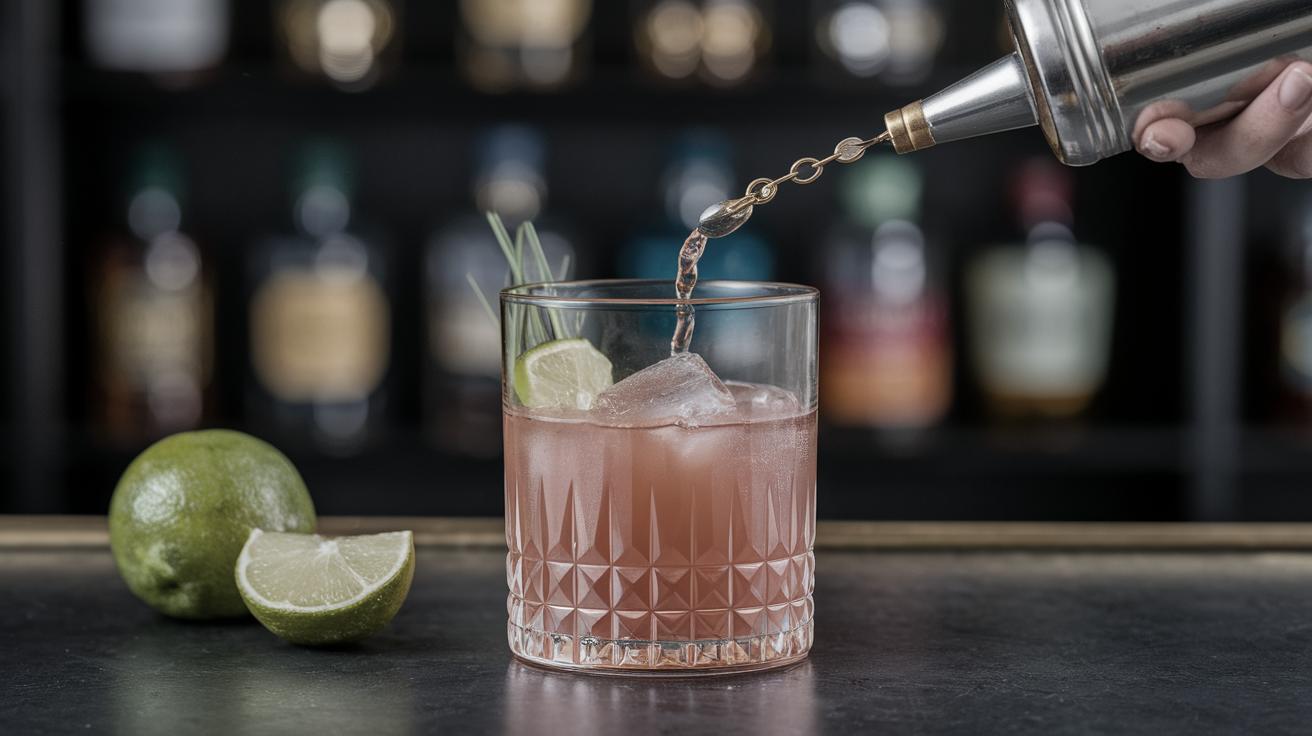
Finding the Perfect Balance in Cocktails
Creating the perfect cocktail involves an intricate balance between sweetness and acidity. This post guides cocktail enthusiasts through the steps to adjust the sweetness and bitterness in their cocktails, ensuring a harmonious balance that amplifies the drink’s flavors. We’ll explore techniques to modify sweetness, introduce acidity or bitterness, and discuss further tips for crafting the perfect blend. Additionally, you’ll learn about the advantages and disadvantages of adjusting cocktail flavors and what alternative options exist for those seeking a break from the familiar Bourbon and Rye whiskey realm.
Struggling with too-sweet cocktails? Learn to perfect the balance and savor the bitter notes in your mix.
Many cocktail enthusiasts find themselves wrestling with beverages that are overpoweringly sweet, which can mask the nuanced flavors of other ingredients. The key to mastering cocktail craft lies in striking the right balance between sweetness and acidity. This balance highlights the layers of flavor and ensures that no single element overwhelms the palate.
It is crucial to understand that sweetness and bitterness serve essential roles in cocktails: they complement and counterbalance each other. The right mix will showcase the intended taste profile of the drink, revealing hidden notes and creating an overall more satisfying experience. To enhance your cocktail-making prowess, we’ll delve into effective techniques for achieving this balance.
How to make a cocktail less sweet or more bitter
Step 1: Assess the current sweetness
The first step in adjusting your cocktail’s flavor is to critically assess its current sweetness level. Take a small sip and let the flavors linger on your palate. Note whether the sweetness is mellow, balanced, or overly intense. This assessment will guide your approach in balancing the other components effectively.
Understanding the existing sweetness is pivotal. Some cocktails might require slight adjustments, while others may need significant modifications. This initial tasting provides a benchmark from which you can compare later iterations of your cocktail.
Step 2: Balance with acidity or bitterness
To counteract excessive sweetness, introduce acidity or bitterness into your cocktail. Acidic ingredients such as lemon or lime juice can offer a sharp contrast, neutralizing excessive sweetness and adding a refreshing tang. Bitterness can be introduced through ingredients like bitters or herbal liqueurs, which are perfect for adding depth.
Experiment with small increments, gradually introducing these elements until the desired balance is achieved. Remember, subtle changes can make a considerable difference, so taste as you go! Begin with half a teaspoon of lemon or lime, or a few dashes of bitters, then adjust accordingly.
Step 3: Dilute with water or ice
Another method to temper an overly sweet cocktail is to dilute it with water or ice. Dilution will mellow the drink’s intensity and soften the flavors without overpowering them. This simple adjustment can significantly enhance the drinkability of your cocktail.
Try adding a splash of soda or simply extra ice cubes. As the ice melts, it naturally mellows the sweetness. This dilution process is a gentle way of achieving balance without sacrificing the integrity of your mix.
Step 4: Modify the sweet components
If sweetness remains overwhelming, consider adjusting the sweet components themselves. Reduce the quantity of syrups, or substitute with less sweet alternatives, such as honey or agave syrup, which provide complexity without overpowering sweetness.
These alternatives can mitigate the cloying nature of traditional sugars, offering a more nuanced sweetness. Remember, achieving the perfect cocktail is often about tweaking and experimenting with different ingredients and their quantities.
Step 5: Choose a bitter or herbal liqueur
Incorporating a bitter or herbal liqueur can transform an overly sweet cocktail into a well-rounded drink. Herbal liqueurs like Campari or Fernet-Branca add bitterness and complexity, offering a counterbalance to sweet elements.
These liqueurs introduce intriguing layers of flavor, working harmoniously with sweet and acidic notes. Start with a small measure and increase gradually until the flavors balance to your satisfaction.
Step 6: Garnish wisely
A thoughtful garnish can subtly influence a cocktail’s flavor profile, affecting perception of sweetness. Fresh herbs such as mint or rosemary provide aromatic contrast and complexity that offset sweetness, while citrus twists introduce a tangy zest.
Utilize garnishes not merely for decoration, but as an integral part of the flavor profile. The right garnish can elevate your cocktail, offering visual appeal while contributing to the desired taste balance.
Step 7: Adjust and repeat
The path to the perfect cocktail involves experimentation. Adjusting the elements of your drink to find the right balance requires patience and a willingness to repeat steps to achieve harmonious flavors.
Keep refining your process; with each iteration, you’ll sharpen your palate and cocktail craft. Your efforts will culminate in a meticulously balanced beverage—a testament to your skill and dedication.
More cocktail adjustment tips
Beyond adjusting sweetness and acidity, consider other elements of cocktail crafting that might enhance your drink. Experimentations with different types of liquors or mixers can yield surprising and delightful outcomes.
Explore seasonal ingredients or regional specialties, which can bring uniqueness to your creations. Similarly, different glassware might influence the drinking experience, affecting aromas and flavor perceptions.
Advantages and disadvantages of adjusting cocktail flavors
Advantages
One major advantage of adjusting cocktail flavors is control over the final taste. Personalized adjustments allow for tailored experiences, catering to individual preferences and dietary restrictions.
Experimentation can also heighten creativity and broaden your understanding of flavors, encouraging playful exploration with new combinations and ingredients.
Disadvantages
However, constant adjustments can lead to inconsistency, especially when replicating successful mixes. There’s also the risk of altering a cocktail’s intended flavor to the point of losing its characteristic signature.
Maintaining an open mind and flexible approach helps mitigate these disadvantages. Strive for balance between innovation and respecting classic recipes for consistently satisfying results.
Frequently asked questions (FAQ)
How can I add bitterness without using bitters?
Bitterness can be introduced using herbal liqueurs or naturally bitter ingredients like grapefruit or coffee. These alternatives provide complexity without relying on traditional bitters.
What’s the best way to adjust sweetness in a frozen cocktail?
For frozen cocktails, adjust sweetness by experimenting with less sweet fruits, adding acidic elements like lime juice, or using alternative sweeteners that dissolve easily.
Can stirring a cocktail change its sweetness or bitterness?
Stirring a cocktail can blend flavors more evenly, potentially mellowing intense sweet or bitter notes. Proper stirring ensures consistency and even distribution of ingredients.
Final thoughts
Achieving the ideal balance of sweetness and acidity in cocktails is an art, as much about discovery as it is technique. Through thoughtful adjustments, you can craft the perfect drink tailored to both personal preferences and foundational mixology principles.
Ever wondered what whiskey worlds await beyond bourbon and rye? Dive into a rich tapestry of global varieties.
For those who seek variety beyond traditional Bourbon and Rye, a world of diverse whiskey options awaits. Exploring global whiskey varieties expands your palate and appreciation for this spirit’s versatility.
Incorporate world whiskeys into your collection; experience the distinct characteristics, such as the smoky tones of a Scottish Islay or the complex sweetness of Japanese whiskey. These explorations enrich your understanding and enjoyment of whiskey.
Ah, whiskey. The right glass will have you on top of the bar singing folk songs. In this post, we cover the top 10 whiskey brands you need to know.
Whiskey has a magical allure, inviting both novice and experienced drinkers to explore its depths. Here are ten renowned whiskey brands that you should know: Macallan, Glenfiddich, Ardbeg, Yamazaki, Jameson, Pappy Van Winkle, Redbreast, Lagavulin, Jack Daniel’s, and Hudson Whiskey.
Each brand offers unique qualities and flavor profiles, allowing you to appreciate the craftsmanship and history that shape these spirits. Whether enjoying a neat pour or using it in a sophisticated cocktail, these brands provide a delightful drinking experience sure to enthrall any whiskey aficionado.
Next steps
| Topic | Key Points |
|---|---|
| Balancing Cocktails | Adjust sweetness with acidity or bitterness, diluting with water, modifying components, and garnishing wisely. |
| Adjustment Tips | Experimenting with ingredients, glassware, and seasonal variations can amplify cocktail experiences. |
| Advantages & Disadvantages | Control personalization versus inconsistency and potential loss of original flavors. |
| FAQs | Alternative bitterness sources, frozen cocktail modifications, and stirring effects. |
| Whiskey Exploration | Global whiskey varieties offer diverse tasting experiences and broader appreciation. |
| Whiskey Brands | Spotlighting ten prominent whiskey brands that provide rich, varied quality. |