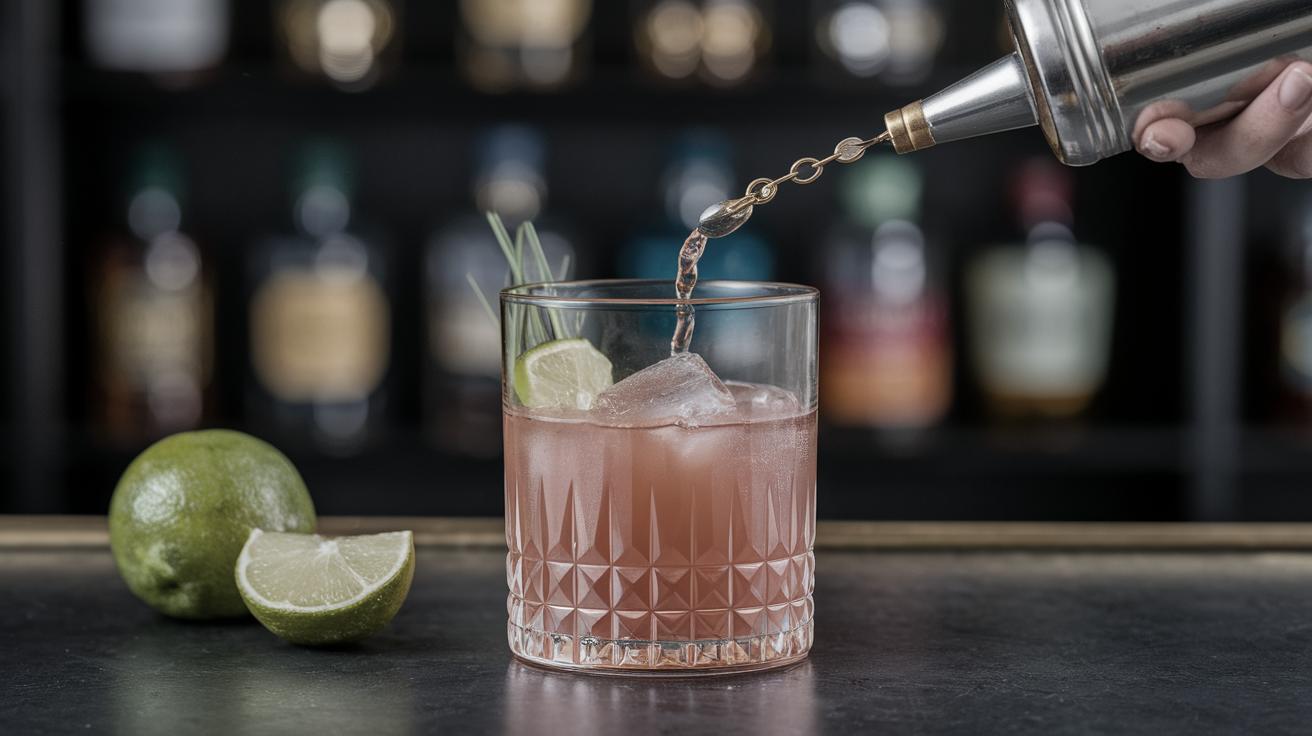
Teaching Mixology Classes to Beginners: A Comprehensive Guide
Mixology is more than just the art of crafting cocktails; it’s a journey into the rich history and culture of spirits. For beginners looking to delve into this fascinating world, knowing where to start can be overwhelming. This blog post provides a comprehensive guide to teaching mixology classes to beginners, exploring the evolution of mixology, the essentials of starting your journey, and some of the top workshops and techniques for home practice. We answer frequently asked questions to help you understand mixology better and set you on a path of discovery and creativity. Join us as we explore the art, science, and joy of mixology.
Understanding Mixology
History
Mixology has a storied history that dates back centuries. While the craft of mixing drinks is ancient, the formal study of mixology as a field of expertise has seen significant development since the 19th century. Early mixologists laid the foundation for what would become a sophisticated art form, combining ingredients with precision to create balanced and inventive drinks.
The progress of mixology continued through the Prohibition era and into the modern craft cocktail movement. Each period contributed immensely to the techniques and styles seen today. The history of mixology is essential for beginners as it provides insight into the traditional practices that influence contemporary cocktail creation.
Trends
Trends in mixology are constantly evolving, driven by the creativity of bartenders and consumer preferences. In recent years, trends such as the resurgence of classic cocktails, sustainability in ingredients, and the use of technology in bartending have gained prominence. Staying abreast of these trends can inspire new ideas and keep mixology classes fresh and appealing.
Other trends include the exploration of global flavors and the integration of culinary techniques into cocktail making. Educators can use these trends as teaching points to inspire beginners and encourage experimentation and creativity in their own cocktail creations.
Ingredients
The foundation of great mixology lies in the ingredients. Understanding the role of spirits, bitters, syrups, and fresh produce is crucial for any budding mixologist. Quality ingredients can elevate a simple cocktail to an exceptional one, and knowing how to source and select them is part of the learning process.
For beginners, learning about ingredients also involves exploring flavor profiles, understanding the balance of sweetness, acidity, and bitterness, and experimenting with combinations. Training in ingredient knowledge will set the stage for creating well-balanced cocktails that excite the palate.
Starting Your Mixology Journey
Qualifications
While formal qualifications are not necessary to teach mixology, knowledge of spirits and cocktail preparation is crucial. Many teachers begin their journey with certifications in bartending or hospitality management, which equip them with the foundational skills to guide beginners.
Knowledge in chemistry, food science, or culinary arts can also be beneficial, especially when teaching the technical aspects of mixology. Continual learning and gaining experience through workshops or self-study can further enhance one’s ability to teach mixology effectively.
Bartending Experience
Bartending experience is invaluable for those aiming to teach mixology. Real-world experience behind the bar provides insights into customer preferences, volume service, and efficient drink preparation – key components in practical mixology education.
Experienced bartenders bring an understanding of bar tools, techniques, and etiquette. They can share this knowledge with novices, ensuring that new learners not only understand how to make a cocktail but also gain confidence in presenting and serving them professionally.
Knowledge of Spirits
An in-depth understanding of spirits is essential for anyone teaching mixology. This includes knowledge of production methods, flavor profiles, and regional influences of different spirits such as whiskey, rum, gin, and tequila. Educators should impart this knowledge to enable students to make informed choices when creating cocktails.
Spirit tasting sessions are an effective way to deepen understanding and appreciation. These sessions can teach beginners how to identify nuanced flavors and aromas, an important skill for any mixologist.
Top Mixology Workshops for Beginners
A Bar Above Mixology
A Bar Above Mixology offers an excellent starting point for beginners, providing a comprehensive curriculum that covers cocktail fundamentals along with advanced techniques. Their courses emphasize practical skills while also developing foundational knowledge of cocktail theory and creativity.
These workshops are designed to turn hobbyists into well-rounded mixologists, making it a popular choice for those at the beginning of their mixology journey who seek a thorough education.
BarSmarts
BarSmarts offers an industry-leading approach to mixology education, recognized by professional bartenders globally. The program covers the essentials of bartending, spirits knowledge, and cocktail creation, with an emphasis on professionalism and technique.
The structured modules make BarSmarts a valuable workshop for beginners, ensuring they learn both the art and science of mixology in a coherent manner.
Mixology MasterClass With Lynnette Marrero & Ryan Chetiyawardana
This MasterClass offers a unique opportunity to learn from celebrated mixologists Lynnette Marrero and Ryan Chetiyawardana. Their workshop introduces beginners to the art of crafting exceptional cocktails with insights into flavor pairing and innovative techniques.
The MasterClass format is engaging and accessible, making it suitable for self-paced learning and perfect for beginners keen on learning from industry experts.
Elixir to Go Great Cocktails: A First Course in Mixology
Elixir to Go offers an immersive mixology experience that focuses on the practical aspects of making great cocktails. This course is particularly useful for beginners who want hands-on practice and guidance from experienced instructors.
The course emphasizes simplicity and practicality, providing students with the essential skills needed to make great cocktails confidently.
European Bartender School
The European Bartender School is renowned worldwide, offering a range of courses designed for all skill levels. Their courses for beginners focus on building foundational skills, fostering creativity, and understanding the nuances of different cocktail styles.
With a blend of theoretical and practical training, students are given an excellent grounding in mixology, preparing them for further exploration and specialization in the field.
Learning to Make Cocktails at Home
Classic Cocktails
Learning to make classic cocktails is an essential skill for any aspiring mixologist. Classics like the Martini, Old Fashioned, and Negroni not only have enduring popularity but also teach the art of balancing flavors with precision.
These cocktails serve as a foundation upon which beginners can build their cocktail repertoire, enabling them to explore variations and develop their signature drinks.
Espresso Martini
The Espresso Martini is an excellent choice for beginners interested in exploring the fusion of coffee and alcohol. Understanding how to balance the strength of espresso with the sweetness of coffee liqueur and the smoothness of vodka is an engaging exercise in flavor balancing.
Beginners can start experimenting with this cocktail, learning how to adjust ingredients to suit different taste preferences while maintaining the integrity of this modern classic.
Mojito
The Mojito is another beginner-friendly cocktail that illustrates the use of fresh ingredients like mint and lime to achieve a refreshing and vibrant drink. Learning the techniques of muddling and proper ingredient ratios are crucial in mastering this Cuban classic.
With its simple ingredient list and refreshing flavors, the Mojito provides an approachable way for beginners to experiment with their newfound mixology skills.
Organic Ingredients
Incorporating organic ingredients into cocktails is an emerging trend that resonates well with contemporary values of sustainability and health. Beginners can be introduced to the benefits and challenges of using organic produce, honing their skills in selecting and handling such ingredients.
This practice not only enhances the flavor profile of cocktails but also adds an element of environmental consciousness to the mixology process.
Native Botanicals
Using native botanicals in cocktails can provide a unique and local twist to traditional recipes. Beginners can explore the flavors of their region, incorporating local herbs, spices, and fruits into their creations.
This approach fosters creativity and innovation, encouraging students to experiment with the abundance of natural flavors available in their locality, celebrating both tradition and originality.
Frequently Asked Questions about Mixology Workshops
What is the difference between mixology and cocktail making?
Mixology is often seen as the study or art of cocktail preparation, encompassing techniques, ingredient selection, and the science behind flavor combinations. It delves into the history and creativity that shapes the beverage experience.
While cocktail making focuses on the actual preparation of drinks, mixology takes a more holistic approach, blending artistry, innovation, and deep understanding of ingredients and their interactions.
How do I start a career in mixology?
Building a career in mixology begins with acquiring a solid foundation in bartending through certification programs, workshops, or hands-on experience in bars and restaurants. Developing a robust knowledge of spirits, cocktail history, and modern trends is also important.
Networking within the industry, continual learning, and working in diverse environments can help aspiring mixologists advance in their careers. Passion and dedication to the craft often lead to opportunities for growth and creativity in the field.
How do I learn how to make cocktails?
Learning to make cocktails involves a combination of study and practice. Beginners should start with understanding basic techniques, familiarizing themselves with equipment, and practicing making classic cocktails.
Engaging in workshops, watching tutorials, and experimenting with different ingredients will build confidence and skill. Patience and curiosity will drive the learning process, leading to mastery over time.
Lessons Learned
| Section | Summary |
|---|---|
| Understanding Mixology | Explores the history, trends, and essential ingredients in the art of mixology. |
| Starting Your Mixology Journey | Discusses qualifications, bartending experience, and knowledge of spirits necessary for teaching mixology. |
| Top Mixology Workshops for Beginners | Highlights renowned workshops and courses ideal for beginners to learn mixology. |
| Learning to Make Cocktails at Home | Provides guidance on crafting cocktails at home, focusing on classics, organic ingredients, and local botanicals. |
| Frequently Asked Questions | Addresses common queries regarding mixology versus cocktail making, career pathways, and learning methods. |
Leave a Comment
We’d love to hear from you! Share your thoughts about mixology, your experiences, or any questions you may have in the comment section below.