The Influence of Culture on Cocktail Development
In the world of mixology, culture plays a pivotal role, shaping cocktail trends and introducing new flavors, techniques, and traditions. From the origins of mixology in ancient times to today’s innovative creations, cultural influences have continually provided inspiration and evolution within the world of cocktails. This blog explores this cultural relationship by tracing the origins of mixology, examining the rise of the modern mixologist, discussing essential techniques and tools, speculating on the future trends and innovations, and offering guidance on how to pursue a career in mixology. For those passionate about cocktail culture, these insights reveal how diverse global influences contribute to the artistry and enjoyment of cocktails worldwide.
The Origins of Mixology
Mixology, the art and science of crafting cocktails, traces its roots back to ancient civilizations where people would infuse alcohol with various herbs, spices, and fruits. These early concoctions laid the groundwork for the sophisticated drinks we enjoy today. The cultural exchanges that occurred along trade routes allowed the spread of ingredients and techniques, enabling the rich diversity of flavors that characterize early cocktails.
As trade expanded, so did the array of available ingredients. Spices from the East, sugar from the Caribbean, and citrus from the Mediterranean enriched the repertoire of bartenders, who began to experiment with textures, spirits, and garnishes. Each culture added its unique twist, reflecting local tastes and customs. Over centuries, this blend of global influences cultivated a vibrant mixology tradition that continues to evolve.
The Rise of the Modern Mixologist
In recent decades, the concept of the ‘mixologist’ has emerged, transforming cocktails from simple drinks into sophisticated experiences. This new generation of cocktail creators is influenced by both traditional techniques and contemporary trends, incorporating a deep understanding of flavor profiles and presentation. The rise of craft cocktails has seen the infusion of unconventional ingredients like exotic bitters and house-made syrups, a nod to global influence.
Today’s mixologists are akin to culinary artists, often employing molecular gastronomy techniques to surprise and delight patrons. Their creations are no longer confined to classic recipes but are daring explorations that defy traditional boundaries. The cultural shift towards personalization and innovation in the culinary world has heavily influenced cocktail development, driving a new era of creative cocktail experiences.
Techniques and Tools of the Trade
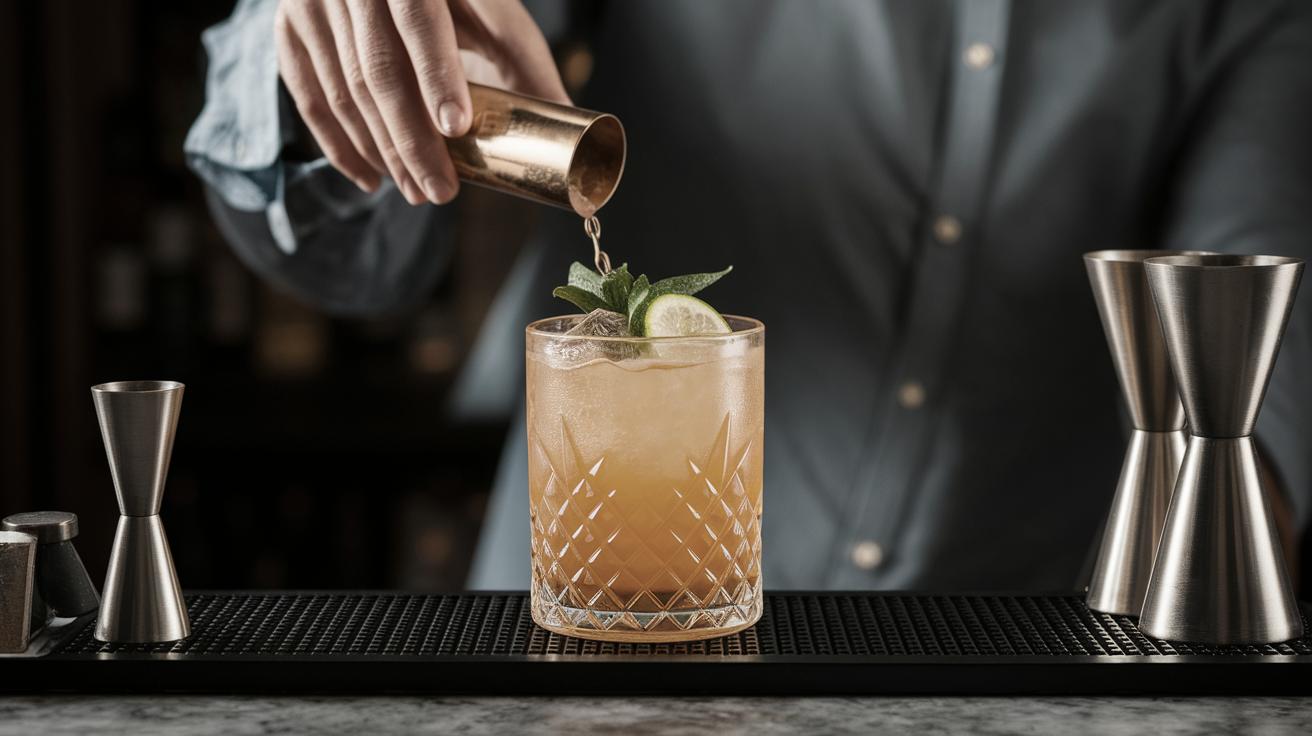
The tools and techniques essential to mixology have also evolved significantly, reflecting cultural shifts and technological advancements. Traditional implements like shakers, muddlers, and jiggers are now complemented by modern tools such as smoking guns and centrifuges. The integration of new equipment has enabled mixologists to experiment with texture and temperature, aligning cocktails increasingly with the dining experience.
Techniques such as infusions, barrel-aging, and fat-washing have become popular as mixologists seek to create unique, culturally-inspired flavors. Each method offers a nod to various global traditions, showcasing the adaptability and ingenuity of contemporary cocktail culture. This blend of old and new not only elevates the craft but continues to keep it dynamic and exciting.
The Future of Mixology
The future of mixology is bright, with continued innovation and cultural exchange accelerating the evolution of cocktail culture. Sustainable practices, such as the use of local, organic ingredients, are expected to shape future trends as consumers become more conscious of environmental impacts. The rise of low- and no-alcohol cocktails also signals a shift in consumer preferences, emphasizing flavor and quality over potency.
Furthermore, technology will likely continue to influence mixology. Digital tools for precise measurement and virtual platforms that offer global cocktails workshops are at the forefront of this change. The fusion of technology with traditional skills opens new doors for creativity, ensuring that culture remains a cornerstone in the development of future cocktails.
How to Become a Mixologist
Becoming a mixologist requires a blend of skills, creativity, and cultural knowledge. Aspiring mixologists should start by learning the basics of bartending, including techniques, tools, and classic recipes. Formal education in mixology or hospitality management can provide a solid foundation, but practical experience is invaluable.
Being attuned to cultural trends and innovations is essential, as is an openness to experimenting with flavors and ingredients. Networking within the industry, attending workshops, and engaging in cultural exchanges will enhance one’s understanding and craft. Aspiring mixologists should continuously seek inspiration from various culinary traditions, using this knowledge to innovate and create distinctive cocktails.
Share this:
Facebook
|
Twitter
|
Instagram
|
Pinterest
Submit a Comment
Cancel reply
Lessons Learned
| Aspect | Details |
|---|---|
| The Origins of Mixology | Ancient origins, influenced by trade, diverse ingredients and techniques |
| The Rise of the Modern Mixologist | Transformation into art, global cultural influences, personal creativity |
| Techniques and Tools | Traditional and modern tools, cultural techniques, innovation in flavors |
| The Future of Mixology | Sustainability, technology, evolving consumer preferences |
| How to Become a Mixologist | Education, cultural awareness, practical experience, creativity |