Pushing the Boundaries of Cocktail Creativity
In the world of mixology, there’s always room for creativity and innovation. This blog post explores how individuals can push the boundaries of cocktail creation by enriching the drinking experience, mastering the basics of mixology, understanding essential tools, and delving into advanced techniques. You’ll gain insight into how to develop your own signature cocktail recipes and what elements elevate a drink from good to exceptional. Whether you’re a budding mixologist or an experienced bartender, this guide will inspire new explorations in the art of cocktail making.
The Importance of Mixology
Enriching the Drinking Experience
The drinking experience is about more than just the beverage in hand; it’s about engaging the senses and creating memorable moments. A well-crafted cocktail can evoke emotions, reminding us of places, people, and stories. By thoughtfully selecting flavors and ingredients, mixologists can turn a simple drink into an engaging experience that resonates with its drinker. The ceremonial aspects, such as the presentation and the environment in which a drink is enjoyed, also play a crucial role in defining this experience.
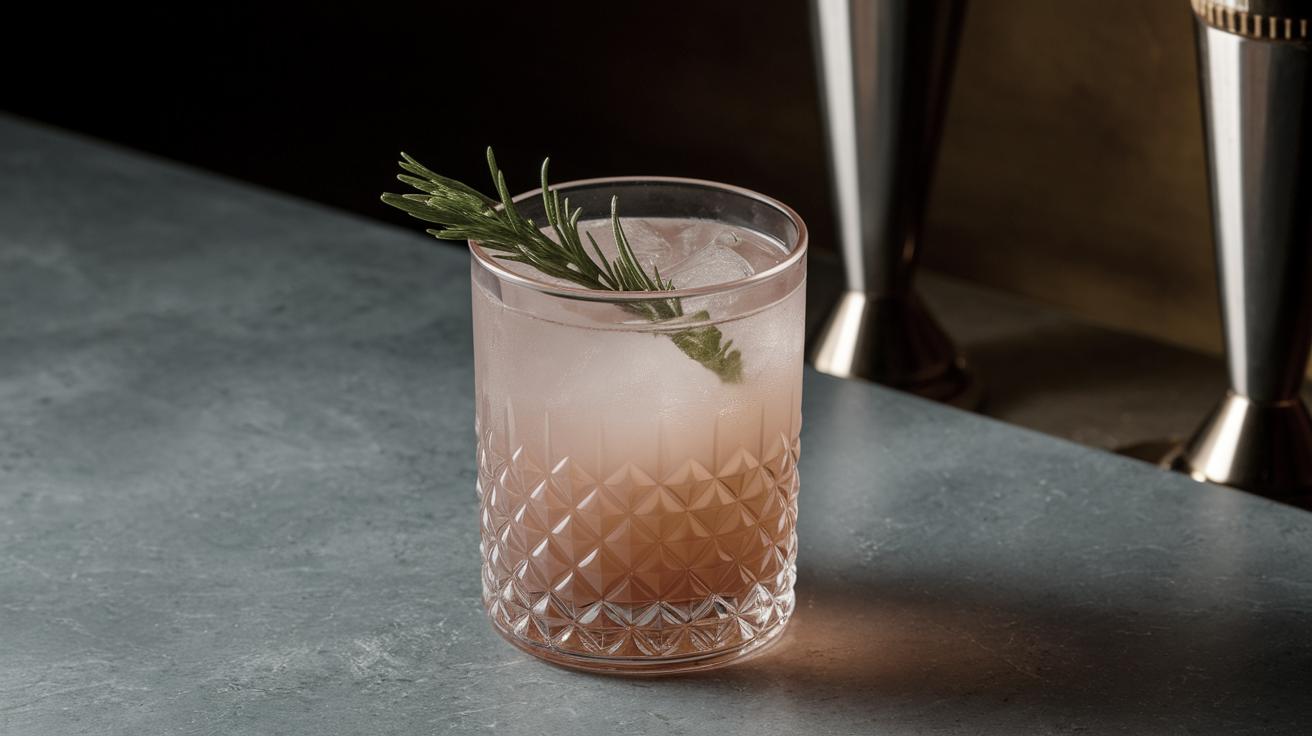
Pushing the boundaries of cocktail creativity involves not only the components of the drink itself but also the context in which it is served. Considerations like glassware, garnishes, and even the choice of music in the background can enhance the drinking experience. This holistic approach to mixology ensures that each drink is not just consumed but experienced, offering a richer, more immersive adventure into the world of flavors.
Exploring Creativity
Creativity in cocktail making is the art of reimagining the potential of ordinary ingredients to craft extraordinary drinks. This process involves experimentation, an understanding of flavor profiles, and a willingness to step beyond traditional recipes. Creative mixologists often draw inspiration from unexpected sources — nature, culinary arts, or even personal memories — to develop unique beverages that challenge conventional taste norms.
To explore creativity effectively, one must be willing to experiment with an open mind. This might mean testing novel combinations, using unconventional ingredients, or reimagining the presentation of a cocktail. By keeping an innovator’s perspective, mixologists can craft drinks that surprise and delight, offering a fresh perspective on what a cocktail can be.
Basics of Mixology
Understanding Liquors
Every excellent cocktail starts with a basic understanding of liquors. Spirits such as vodka, gin, rum, tequila, whiskey, and brandy form the backbone of many classic cocktails. Understanding their distinct properties, flavor profiles, and the way they interact with other ingredients is vital for crafting superior drinks. Each spirit can bring unique characteristics to a cocktail — gin with its herbal notes, or tequila with its earthy undertones, for example — and knowing how to balance these will make your creations stand out.
Beyond the base spirits, explore the dynamics of liqueurs, which add depth and sweetness to cocktails. These infusions of herbs, spices, fruits, or cream provide an extra layer of complexity. By becoming familiar with various liquors and liqueurs, mixologists are better equipped to experiment with flavor combinations and create harmoniously balanced drinks.
Essential Tools
The Shaker
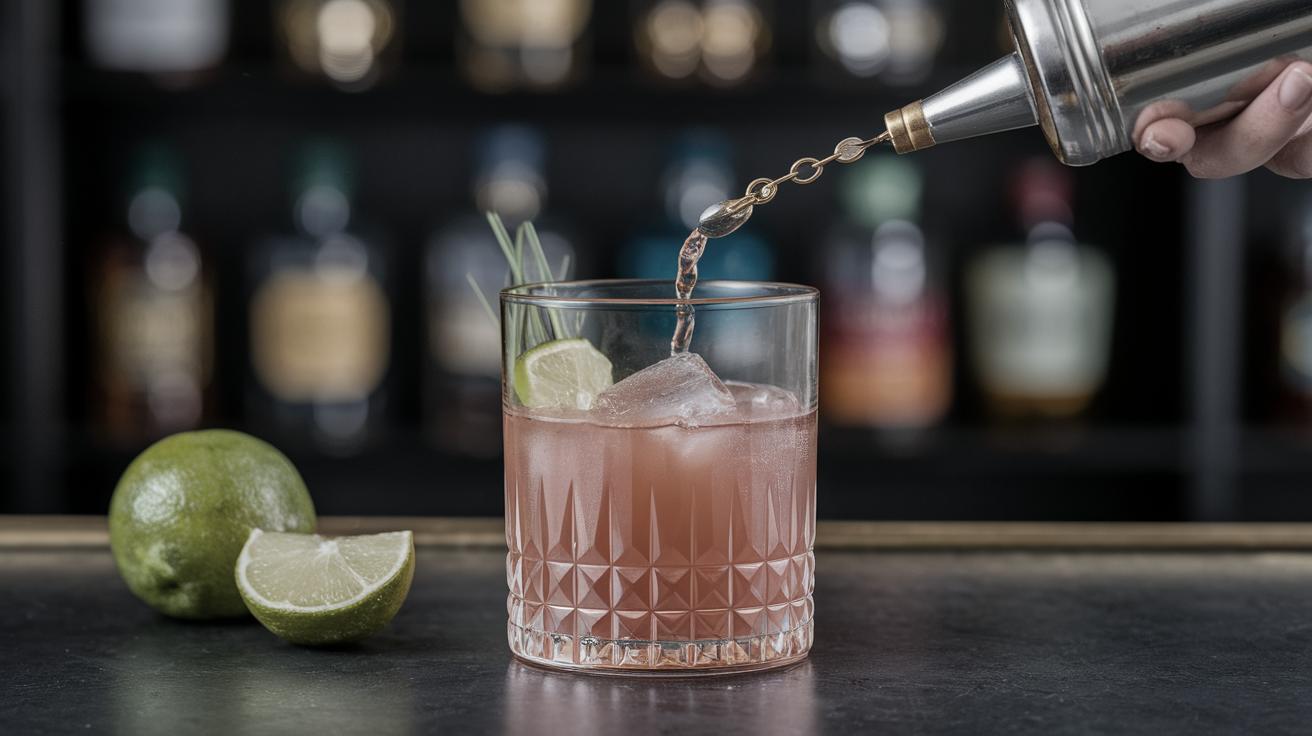
The shaker is an indispensable tool in a mixologist’s arsenal, used for blending ingredients through shaking, which both cools the drink and adds texture and aeration. Shakers come in various styles, such as the Boston shaker and the cobbler shaker, each with its advantages. Mastering the shaker involves understanding the importance of rhythm, duration, and even ice size, all of which can alter the final presentation and taste of a cocktail.
Using a shaker effectively can make the difference between a flat, lukewarm cocktail and a vibrant, lively one. For those looking to push the boundaries of mixology, experimenting with shaking techniques can lead to subtle yet impactful ways to enhance a drink’s flavor and mouthfeel.
Jiggers
Precision is paramount in cocktail creation, and the jigger is the tool that ensures accurate measurement of ingredients for a balanced cocktail. A miscalculated proportion can throw off potentially harmonious flavors, turning a concoction from pleasing to overpowering. With its double-sided feature, allowing for different measurements, the jigger becomes a mixologist’s precision instrument.
Knowledgeable use of a jigger demonstrates both professionalism and dedication to the craft, ensuring consistency in each cocktail. It also affords the bartender confidence to experiment, knowing that foundational ratios are respected while trying new ingredients or adjusting known recipes.
Cocktail Basics
Understanding Basic Cocktail Recipes
Basic cocktail recipes serve as building blocks for more complex creations. Classic cocktails like the Martini, Negroni, and Old Fashioned have long been revered for their simplicity and balance, showcasing a few ingredients harmoniously combined. By mastering these fundamental recipes, one gains an understanding of how flavors can be layered and highlighted.
Once comfortable with basic recipes, a mixologist can begin to modify them, introducing unique twists or local flavors, to craft signature versions. This process not only enriches personal creativity but also deepens the appreciation for the foundational combinations that define cocktail culture.
How to Mix a Drink
Mixing a drink is both an art and a science. It involves combining ingredients in a way that they achieve the desired flavor profile. This starts with choosing high-quality ingredients and understanding the purpose of each one within the cocktail. The order of combining ingredients also matters; often, spirits are mixed first, then shaken or stirred with ice, followed by any delicate ingredients like syrups or juices to ensure optimal freshness.
The technique employed in mixing — be it shaking, stirring, or muddling — can significantly impact the drink’s final taste and texture. Mastery over these techniques enables the creation of drinks that are not only consistent but can also be creatively explored for new textures and flavors.
Advanced Mixology Techniques
Layering
Layering in mixology refers to carefully pouring ingredients to create a cocktail with distinct, visible layers. This technique is as much about visual appeal as it is about taste, allowing different flavors to play off one another in each sip. Mastering the art of layering requires understanding the specific gravity of liquids, which dictates how liquids of different weights will interact.
This technique is often used in drinks such as pousse-cafés and B-52s, where the aesthetic of the cocktail is enhanced by the clear division of ingredients. Pushing the boundaries here involves experimenting with new combinations and colors, creating stunning drinks that are as beautiful as they are tasty.
Muddling
Muddling is the process of crushing ingredients to release their flavors, used primarily with herbs and fruits. This technique is essential for cocktails like the Mojito or Mint Julep, where fresh mint leaves must be muddled to release their fragrant oils. The key to successful muddling is applying the right pressure — too much can cause bitterness, while too little won’t extract enough flavor.
Beyond the basics, experimenting with unique ingredients, such as fresh ginger or unusual herbs, can lead to exciting new flavors. By mastering muddling, mixologists can elevate traditional recipes and add a personalized touch to their creations, opening up a world of sensory possibilities.
Final Thoughts
| Topic | Key Points |
|---|---|
| The Importance of Mixology | Enhance the drinking experience by engaging the senses and exploring creative possibilities. |
| Basics of Mixology | Understanding the core elements of liquors and essential tools for precision and flavor balance. |
| Cocktail Basics | Learning basic cocktail recipes and mastering mixing techniques for perfect execution. |
| Advanced Mixology Techniques | Delve into layering and muddling for innovative, visually striking, and flavorful cocktails. |
FAQ’s
If you’re just starting in mixology or looking to refine your skills, you might have some common questions about the craft. Here are a few questions and answers that can help guide you on your mixology journey:
-
What is the most important aspect of mixology?
Understanding the balance of flavors and the proper use of techniques to craft a drink that appeals to the senses. -
How can I create my own cocktail recipe?
Start by experimenting with different combinations of flavors and ingredients, and keep notes on what works. Don’t be afraid to try unconventional ingredients. -
What should I consider when choosing tools for mixology?
Quality and functionality are key. Invest in durable, professional-grade tools, as they will provide accuracy and enhance your skills over time.
Thank you for reading! Engaging with others by sharing your own creations or thoughts on mixology can inspire and foster a community passionate about exploring the art and science of cocktail creation.