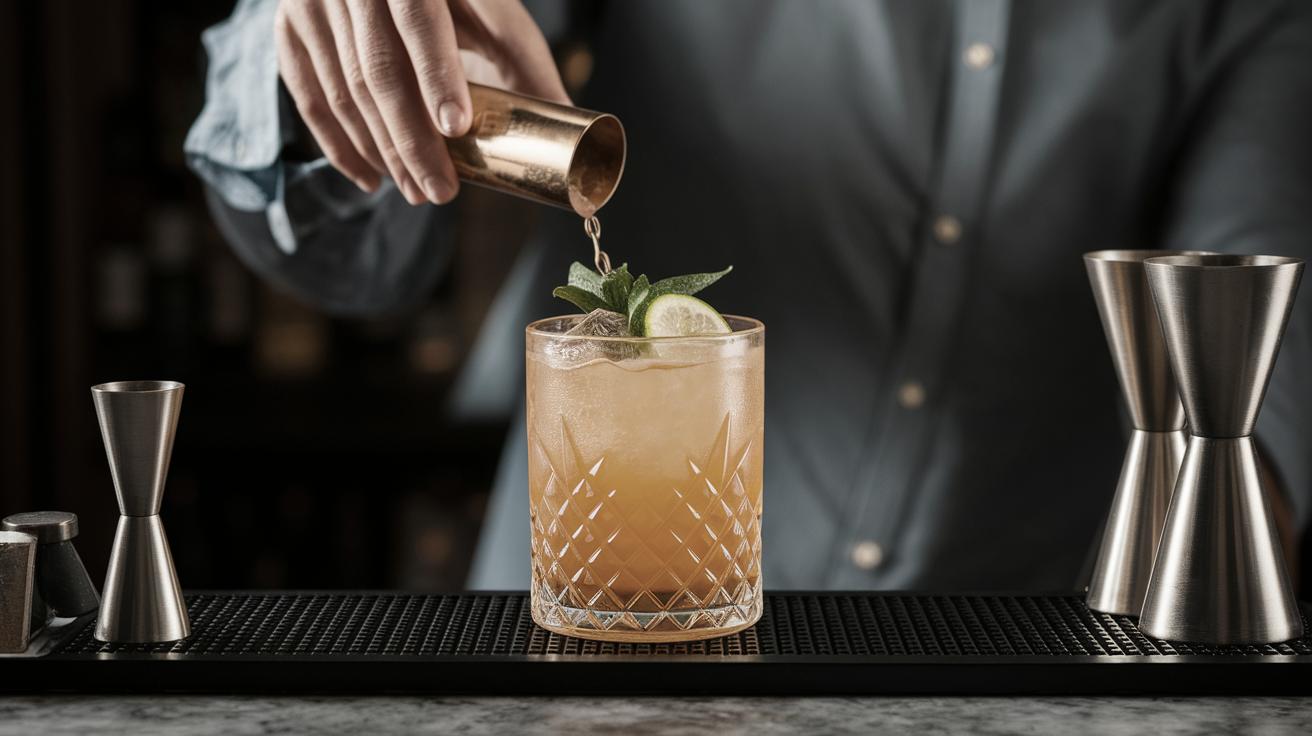
The Evolution of Mixology: From Origins to the Future
Mixology, the art and science of crafting cocktails, has undergone a remarkable transformation over the years. From humble beginnings in the taverns of the past to the sophisticated bar scenes of today, mixology has evolved into a celebrated and dynamic field. This blog post explores the origins of mixology, the rise of the modern mixologist, the techniques and tools fueling this evolution, and the trends ushering in its future. Whether you’re an aspiring mixologist or a cocktail enthusiast, join us on a journey through the history and future of mixology, where creativity, innovation, and expertise blend to create unique experiences in every glass.
The Origins of Mixology
The term “mixology” may seem modern, but its roots reach deep into history. The origins of mixology trace back to the 19th century with the emergence of cocktails in America. This era saw barkeepers combining spirits, sugars, bitters, and water to create what would later become iconic cocktails like the Old Fashioned and the Sazerac. These early mixologists were true pioneers, experimenting with flavors and combinations to satisfy their patrons’ thirst.
Early mixology intertwined with socio-cultural changes, where the rise of saloons and bars aligned with the burgeoning American identity. Historical documents, such as Jerry Thomas’s 1862 book “The Bartender’s Guide,” formally recognized mixology as a craft, providing recipes and techniques that would lay the foundational knowledge for future generations. With the advent of Prohibition in the 1920s, mixology faced challenges but managed to thrive, as speakeasies became clandestine hubs of creativity.
The Rise of the Modern Mixologist
The modern era of mixology heralded a renaissance in the craft. The late 20th century saw a resurgence of interest in classic cocktails, as bartenders around the globe revisited historical recipes, redefining them with contemporary twists. This period also marked the emergence of the term “mixologist,” signifying professionals who approached cocktail creation with a chef-like precision and artistry. Mixologists began to draw from a broader palette of ingredients, emphasizing fresh produce, exotic spices, and artisanal spirits.
As popular culture embraced mixology, the demand for innovative cocktails grew. Public interest soared with movies, television shows, and books romanticizing the bartender’s role as both an artist and scientist. The rise of cocktail competitions and festivals worldwide provided mixologists a platform to showcase their skills, creativity, and flair, further boosting the profession’s popularity and reach.
Techniques and Tools of the Trade
Today’s mixologists have at their disposal an extensive arsenal of techniques and tools, elevating cocktail crafting to a science. Traditional methods such as muddling, shaking, and stirring are complemented by modern techniques like infusing, fat-washing, and sous-vide. These techniques allow for precise control over flavors, aromas, and textures, creating a multi-sensory experience for patrons.
The evolution of tools has also been significant. While the classic shaker and strainer remain staples, technological advancements have introduced gadgets like carbonation rigs, smoking guns, and centrifuges to the mixologist’s toolkit. These innovations enable bartenders to craft novel drinks that push the boundaries of traditional cocktail making, inviting a new generation of enthusiasts to explore the craft further.
The Future of Mixology
The future of mixology promises even more exciting developments, as trends continue to shape the industry. Sustainability and eco-consciousness are gaining prominence, with mixologists prioritizing local and organic ingredients, minimizing waste, and using sustainable practices. Botanicals and foraged ingredients are becoming staple components, adding unique, seasonally inspired flavors to cocktails.
Moreover, technology will likely play an increasingly vital role, influencing everything from production to customer interaction. Innovations like augmented reality menus and AI-driven mixology are on the horizon, potentially transforming how consumers experience and engage with cocktails. Additionally, virtual events and digital platforms are expanding the reach of mixology, making it more accessible to a global audience eager to learn and indulge in the latest trends.
How to Become a Mixologist
Becoming a mixologist requires a blend of skill, creativity, and knowledge. Aspiring professionals should start by learning the basics of bartending, mastering classic cocktails, and understanding the profiles of different spirits and ingredients. Engaging in continuous education through courses, certifications, and industry workshops is crucial to developing expertise and understanding emerging trends.
Experience, however, is the greatest teacher. Working in diverse bar environments and under the tutelage of seasoned professionals can significantly enhance one’s skills and confidence. Additionally, aspiring mixologists should cultivate a sense of curiosity and creativity, experimenting with new flavors and techniques to develop a signature style that sets them apart in the competitive landscape of mixology.
Share this:
Submit a Comment Cancel reply
Next Steps
| Section | Summary |
|---|---|
| The Origins of Mixology | The 19th-century origins in America, historical influences, and growth through Prohibition. |
| The Rise of the Modern Mixologist | 20th-century renaissance, the role of mixologists, and cultural influences boosting the profession. |
| Techniques and Tools of the Trade | The blending of traditional and modern techniques, advancements in tools enhancing creativity. |
| The Future of Mixology | Trends towards sustainability, technology’s influence, and global accessibility of mixology experiences. |
| How to Become a Mixologist | The importance of education, experience, and creativity in building a successful mixology career. |