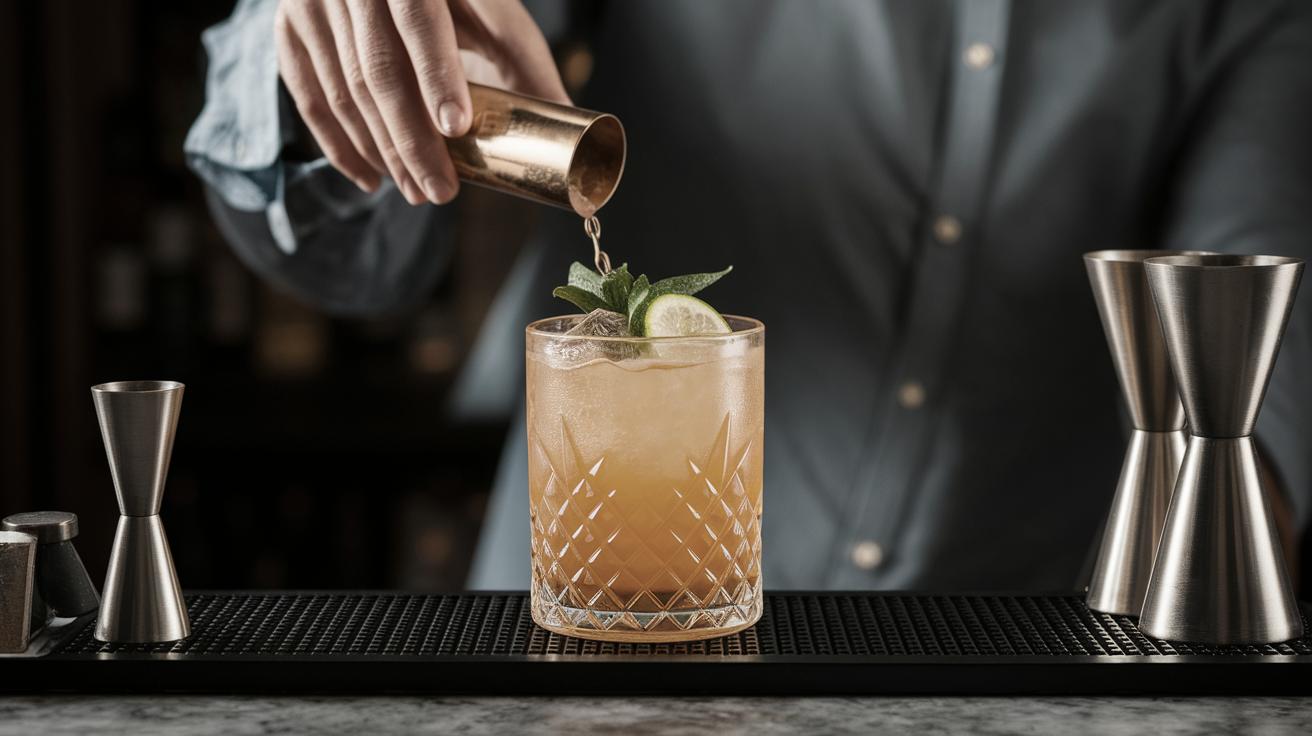
The Art of Mixing Cocktails: Shaking vs. Stirring Techniques
Crafting the perfect cocktail requires more than simply assembling a list of ingredients. The method by which
you mix these ingredients can dramatically influence the final flavor and experience of the drink. Whether to
shake or stir is one of the most essential decisions any mixologist makes. In this blog post, we will explore
the factors that influence this choice – from the type of shaker you should use, the reasons behind your
chosen mixing method, to guidance on when to shake versus when to stir your cocktail. To round out your
knowledge, you’ll also find tips on the best ways to serve your cocktails to ensure they delight with every
sip.
What kind of shaker should I use?
Selecting the right shaker is the first step in mastering the art of cocktail mixing. The two most common types
of shakers used by professional and home mixologists are the Boston shaker and the Cobbler shaker. The Boston
shaker, often seen in bars, is loved for its simplicity, consisting of a large mixing tin and a glass or metal
tumbler. This type is ideal for those who prefer a versatile and quick option. Meanwhile, the Cobbler shaker
includes a built-in strainer and cap, making it beginner-friendly and suitable for enthusiasts looking to make
quality cocktails at home without additional equipment.
Boston shakers are generally more reliable for creating a firm seal while shaking, which prevents spillage. On
the other hand, Cobbler shakers may provide an ease-of-use advantage but can sometimes lead to difficulties in
opening once chilled. It often boils down to a matter of personal preference and comfort, but both are
effective tools for shaking any cocktail with precision.
Why does mixing matter?
The technique of mixing is crucial because it affects the texture, flavor, and temperature of the cocktail. When
you shake a cocktail, you’re introducing air into the mix, which can create a frothy, colder, and more diluted
drink. Shaking is particularly effective for cocktails that include fruit juices, cream, or egg whites, as it
ensures all the ingredients are fully integrated and aerated, providing a smooth, even texture.
Stirring, in contrast, is about maintaining the inherent qualities of the spirits while achieving a smooth
blend. This technique effectively cools and dilutes the drink just slightly without over-aeration. With stirred
cocktails, such as martinis and Manhattans, the goal is to deliver a silky, crystal-clear finish where the nuanced
flavors of each ingredient shine through.
So when should I shake vs. stir a cocktail?
The rule of thumb when deciding whether to shake or stir ultimately comes down to the ingredients at play. If a
cocktail recipe includes citrus, dairy, or any ingredients that are non-spirits, shaking is generally the
preferred method. Drinks like the whiskey sour, margaritas, and daiquiris benefit from shaking because it
thoroughly emulsifies and chills their components.
Conversely, if a cocktail is spirit-forward — composed solely of liquors, liqueurs, or fortified wines without
additional juices — then stirring is the way to go. Cocktails like the classic martini or the smooth Manhattan
are best stirred to deliver a perfectly balanced temperature and texture without cloudiness.
How should I serve my cocktails?
Serving cocktails is an art that matches presentation with flavor. Once your cocktail is expertly mixed, the
choice of glassware and garnish can elevate the drinking experience. For shaken cocktails, traditionally
served over ice, opt for a highball or rocks glass. If you’ve stirred a drink, consider serving it ‘up’,
without ice, in a chilled coupe or martini glass to maintain its elegance and chill.
Garnishes aren’t just for decoration; they are a key component of the drink’s profile. Consider how a twist of
lemon peel, a sprig of mint, or a brandied cherry can add aroma or a final touch of flavor. By giving careful
thought to how you serve your cocktails, you ensure that the visual and sensory appeal matches the care taken in
mixing.
Summary of Main Points
| Technique | Shaker Type | Why Use | When to Use | Serving Advice |
|---|---|---|---|---|
| Shake | Boston or Cobbler | Integrates, chills, and aerates ingredients | Cocktails with juices, dairy, or egg whites | Over ice in highball or rocks glass |
| Stir | N/A | Maintains ingredient clarity and smoothness | Spirit-forward cocktails | ‘Up’ in a chilled coupe or martini glass |