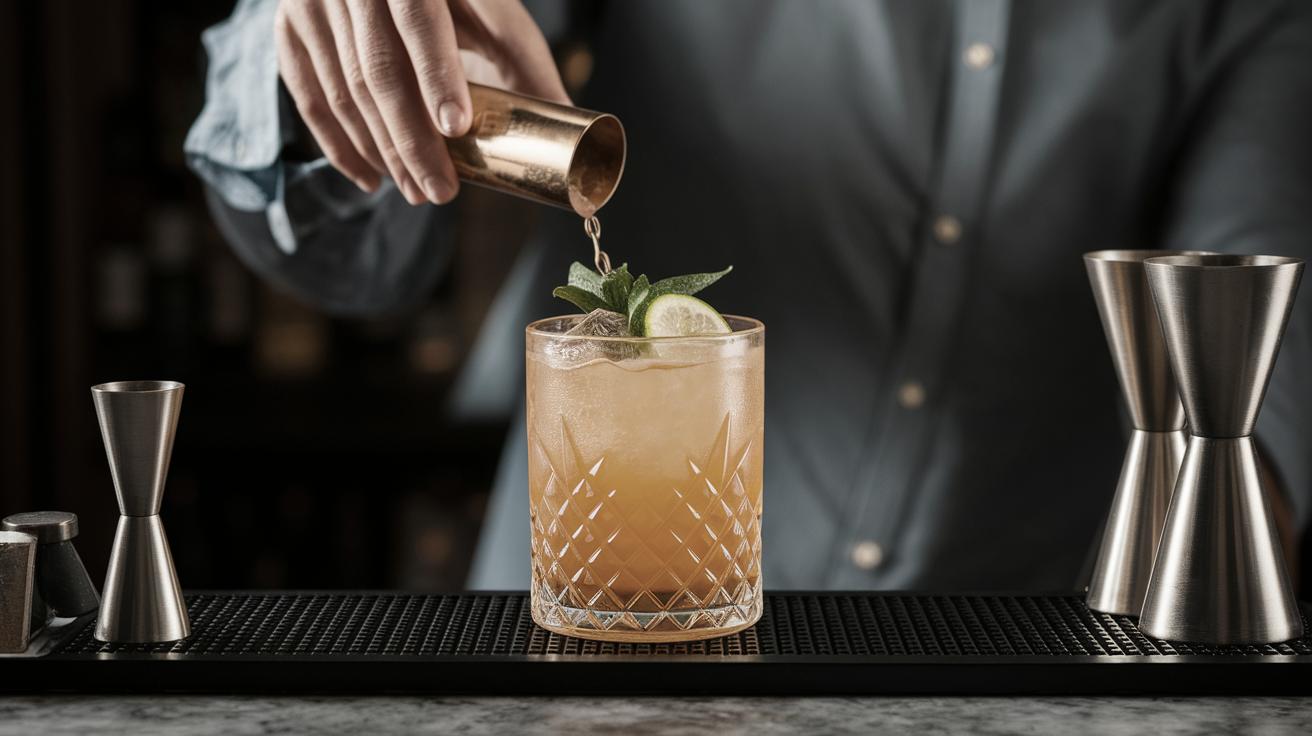
How to Host an Interactive Mixology Workshop
Hosting an interactive mixology workshop is an excellent way to connect with friends, colleagues, or clients while sharpening your bartending skills. Whether it’s conducted virtually or in person, a successful class hinges on a few key components: selecting the right platform for your event, providing quality bar tools or kits, choosing exciting cocktails, and organizing a smooth class flow. By focusing on these elements, you can create an engaging and memorable experience for all participants. In this guide, we’ll walk you through each step of the process, ensuring your mixology workshop is a hit.
Host a Virtual Cocktail Class With High-Quality Products
To craft an unforgettable mixology workshop, it begins with the quality of the products you use. Opting for premium liquors, freshly sourced ingredients, and authentic bar tools can elevate the entire experience. These elements not only enhance the flavor profiles of the cocktails but also provide a more professional and sophisticated atmosphere. Participants will appreciate the attention to detail, which can make even a virtual class feel intimate and special.
Consider creating kits that are sent to participants before the event. These should include small bottles of the spirits required, alongside fresh garnishes or mixers. This not only ensures everyone is on the same page with quality ingredients but also adds an element of surprise and excitement as attendees unveil their curated cocktail kits. The preparation phase itself becomes part of the fun and shows participants that you value their presence and experience.
Selecting Your Platform
The first decision when hosting a mixology workshop, especially a virtual one, is choosing the right platform. Zoom, Google Meet, and Microsoft Teams are popular choices due to their reliability and ease of use. These platforms offer great features like screen sharing, breakout rooms, and polls which can facilitate a seamless and interactive experience. Ensure your chosen platform supports the number of participants and provides the functionalities you need, such as good audio quality and video clarity.
In addition to functionality, consider the familiarity of the platform to your audience. A platform already familiar to your participants will minimize technical difficulties and ensure everyone is focused on learning and mixing rather than troubleshooting connection issues. Additionally, a dry run before the event is advisable to make sure everything runs smoothly and to address any potential hiccups in advance.
Bar Tools or Kits
Keep it Simple: At-Home Bar Tools
While professional bartending tools are ideal, they’re not always necessary for a successful workshop. Utilizing everyday kitchen tools can be a simpler and more accessible option for participants, especially beginners. Encourage participants to use items like mason jars as shakers and measuring spoons instead of jiggers. This makes the workshop more inclusive, welcoming, and ensures no one is left out due to a lack of equipment.
If you’re sending out kits, consider including tools like a basic shaker, jigger, and muddler. These fundamental tools can significantly enhance the quality of the cocktails made and provide a more structured experience. Participants will enjoy the hands-on aspect of using real tools, and providing them can also serve as a memorable takeaway from the event. As many will agree, half the fun of mixology lies in wielding the tools themselves!
Choosing the Cocktails
When deciding which cocktails to include in your workshop, consider the level of complexity and the tastes of your audience. Choose a balanced mix of classic cocktails and innovative creations to cater to both beginners and seasoned participants. Classics like the Old Fashioned or Mojito are great starting points as they incorporate techniques participants can use to create other drinks.
Incorporate cocktails that allow for customization, giving participants the freedom to personalize their drinks. Highlighting local ingredients or popular trends can add a unique twist, making the class more engaging. Keep in mind any dietary restrictions or preferences as well; offering non-alcoholic versions or substitutes ensures everyone can partake in the fun.
Class Flow
A well-structured class flow is crucial for maintaining engagement and ensuring attendees are both learning and having fun. Start with a brief introduction, outlining what participants can expect and the cocktails they’ll be making. Establishing a relaxed and welcoming atmosphere right from the start provides a comfortable learning environment.
As you move through the class, encourage participation through Q&A sessions and interactive storytelling. Sharing anecdotes about the origins of cocktails or tips about techniques keeps the tone light and engaging. Wrap up with a casual debrief, allowing participants to share their feedback and celebrate their newfound skills. Encourage them to continue exploring mixology on their own and invite them to future workshops.
Next Steps
| Step | Description |
|---|---|
| Host a Virtual Cocktail Class With High-Quality Products | Use premium liquors and fresh ingredients; consider sending kits to participants. |
| Selecting Your Platform | Choose a reliable video conferencing platform with necessary features; conduct a dry run. |
| Bar Tools or Kits | Simplify with at-home tools or send essential bar toolkits to enhance the experience. |
| Choosing the Cocktails | Select a mix of classic and innovative cocktails; consider participant preferences. |
| Class Flow | Establish a welcoming environment; ensure interaction and participant feedback. |