Essential Tools for Aspiring Mixologists
Welcome to the captivating world of mixology, where the art and science of crafting cocktails come together to delight the senses. As an aspiring mixologist, having the right tools at your disposal is crucial for mastering the craft and creating exceptional drinks. In this blog post, we will explore the essential tools that every budding mixologist needs in their arsenal. From measuring and mixing to muddling and straining, each tool plays a vital role in ensuring precision, enhancing flavors, and achieving the desired consistency. Join us as we delve into the must-have equipment that will elevate your cocktail-making skills and set you on the path to becoming a true mixology master.
Essential Cocktail Preparation Tools for Aspiring Mixologists
In the realm of mixology, precision and creativity go hand in hand. The foundational tools you employ should aid in both perfecting the classics and innovating new concoctions. Each instrument has a unique purpose, contributing to the delicate balance of flavors that define a great cocktail. Mastering these tools is the first step toward crafting drinks that delight and inspire.
The right tools not only enhance the quality of the cocktails but also streamline the process. They bring efficiency and finesse to your workflow, allowing you to focus on balancing flavors and showcasing your creative flair. Let’s explore the key tools that every aspiring mixologist should have at their disposal, ensuring a seamless and enjoyable cocktail-making experience.
A jigger
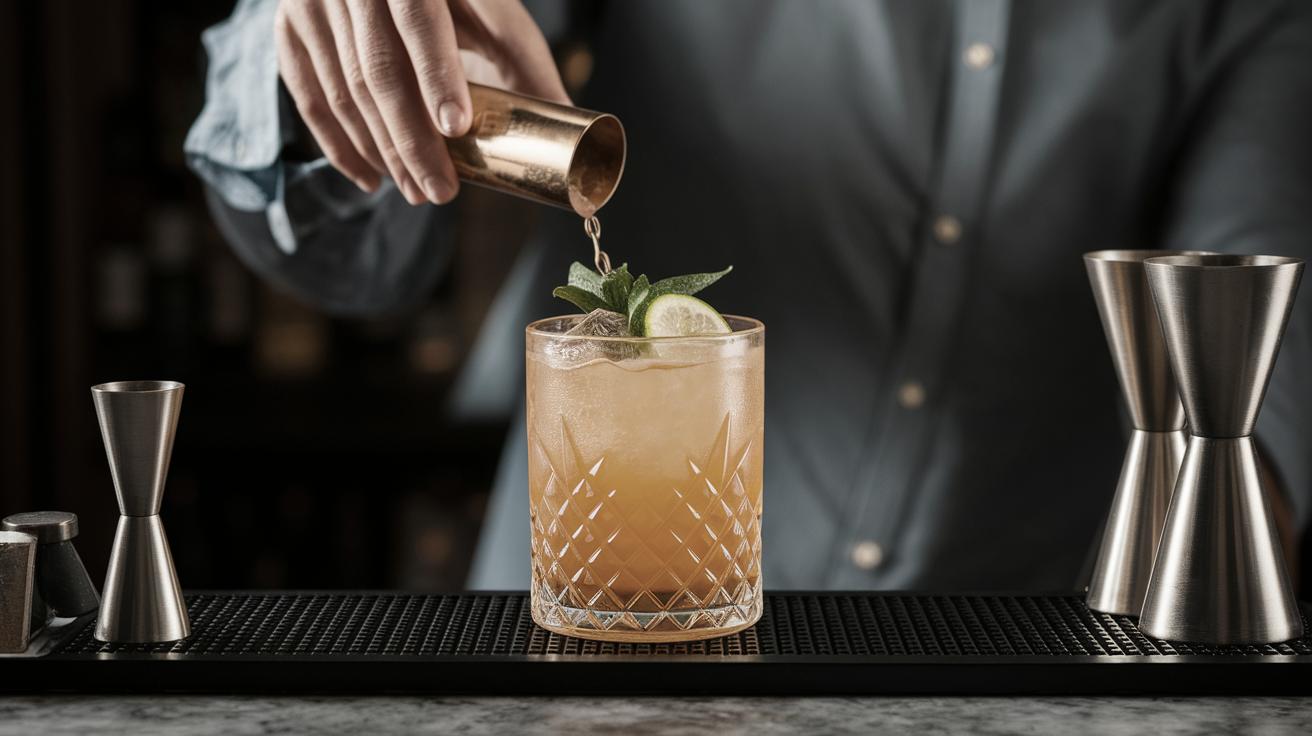
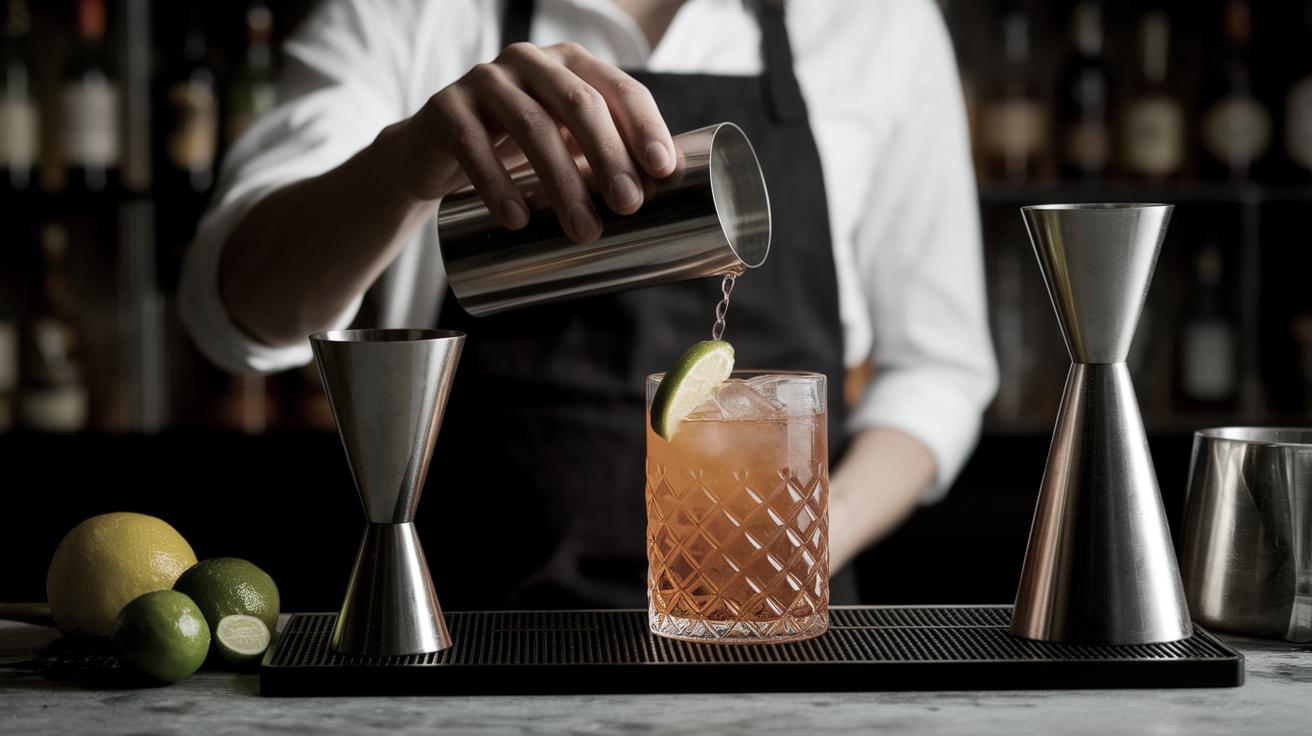
The jigger is the cornerstone of cocktail creation, serving as a critical tool for measuring and pouring. It ensures that you use precise measurements for each ingredient, which is essential for maintaining the perfect balance of flavors. A typical jigger has two sides—one for larger measurements and the other for smaller quantities. By providing accuracy, the jigger helps you avoid overpowering your cocktails with any single component.
Both novices and experienced mixologists rely on jiggers to create consistent and replicable drinks. Many variations exist, such as the classic double-ended stainless steel jigger or more ornate designs that add an aesthetic flair to your bar tools collection. Regardless of style, the functionality stays true—enabling the creation of complex and nuanced cocktails that engage the palate.
A strainer
Straining is a critical step in crafting cocktails, especially when aiming for a smooth finish. A strainer helps separate solid components like ice, fruit, or herbs from the liquid, ensuring a clear and delightful presentation. There are different types of strainers, including the Hawthorne strainer, Julep strainer, and fine mesh strainer, each offering unique benefits depending on your cocktail’s requirements.
The Hawthorne strainer, with its spring-loaded coil, is perfect for controlling the level of straining. It is ideal for cocktails served straight up, as it effectively holds back ice and other bulky ingredients. Conversely, a fine mesh strainer is used to remove finer particles and achieve a pristine result. Mastery of strainers allows mixologists to tailor their drinks to order, maintaining quality with each pour.
Bar spoon
The bar spoon is an essential tool for stirring cocktails, providing control and precision that regular kitchen spoons lack. Its long, slender structure allows it to reach into tall mixing glasses and pitchers, making it ideal for building layered cocktails. Often, bar spoons feature a spiral handle that facilitates easy stirring and layering of ingredients.
With a bar spoon, mixologists can control the dilution and integration of ingredients carefully, ensuring that each cocktail maintains its intended character and flavor profile. The spoon’s versatility extends to its use in measuring smaller quantities of ingredients or garnishing drinks with precision. Aspiring mixologists must become adept at using a bar spoon to enhance and perfect their creations.
Muddler
A muddler is essential for unleashing the full flavor of fresh ingredients like herbs and fruits. This tool is used to crush these components gently, releasing their flavors and essential oils into the cocktail. Mojitos and other similar concoctions benefit greatly from proper muddling, which fosters an infusion of vibrant flavors and aromas.
Wooden muddlers are traditional, but contemporary designs often come in stainless steel or plastic for added durability and easy cleaning. The key is to use the muddler thoughtfully, avoiding excessive force that can lead to undesirable bitterness. With practice, a mixologist can refine their muddling technique, becoming adept at highlighting natural flavors within a drink.
Citrus Juicer
A citrus juicer is invaluable for any mixologist who values fresh ingredients. Freshly squeezed citrus juice always trumps store-bought alternatives due to its superior flavor and aroma. A handheld juicer or a more sophisticated electric model can transform the process into a quick and satisfying endeavor.
In cocktails, citrus juice acts as a balancing agent, providing acidity that offsets sweetness and enhances complexity. Getting comfortable with a juicer allows mixologists to explore a variety of citrus options beyond the classic lemon or lime, including oranges, grapefruits, and even more exotic fruits. Experimentation with fresh juices can introduce new dimensions to cocktails, delighting the senses with surprising twists.
Channel Knife
A channel knife is a tool that allows mixologists to create beautiful and aromatic garnishes that make cocktails pop both visually and olfactorily. By carefully stripping strands of zest from fruits like lemon, lime, or orange, mixologists can add flair and fresh scent to their creations. These zest strips can be twisted and added as a garnish, elevating the drink’s presentation to an art form.
The skillful use of a channel knife enhances not just the flavor and aroma of a cocktail, but its overall allure. Becoming comfortable with this tool encourages creativity, allowing mixologists to experiment with a variety of citrus peels and designs. The addition of these enticing, lightweight strands can transform even simple cocktails into delectable masterpieces.
Glasses
Glassware selection is an integral aspect of mixology, dictating how well a cocktail is presented and experienced. Choosing the appropriate glass can influence the temperature and bouquet of a drink, alongside its aesthetic appeal. Classic types include the martini glass, highball glass, rocks glass, and coupe, each suited to different styles of cocktails.
Aspiring mixologists should familiarize themselves with the standard types of glassware and the specific drinks each complements. Understanding the subtleties of glassware helps in presenting cocktails in a way that amplifies their sensory profile. Investing in quality glassware reflects a commitment to craft and respects the heritage of each concoction.
| Tool | Purpose | Key Features |
|---|---|---|
| Jigger | Accurate measurement of ingredients | Double-ended design, precision pouring |
| Strainer | Separate solids from liquids | Hawthorne, Julep, fine mesh options |
| Bar Spoon | Stirring and layering | Long, slender, spiral handle |
| Muddler | Crush and release flavors from herbs/fruits | Wooden, stainless steel, or plastic |
| Citrus Juicer | Extract fresh juice | Handheld or electric, enhances flavor |
| Channel Knife | Create garnishes | Stripping strands of zest, enhances aroma |
| Glasses | Presentation and taste | Martini, highball, rocks, coupe types |